Allergens on a Restaurant Menu: What the Rules Ask and How to Write It
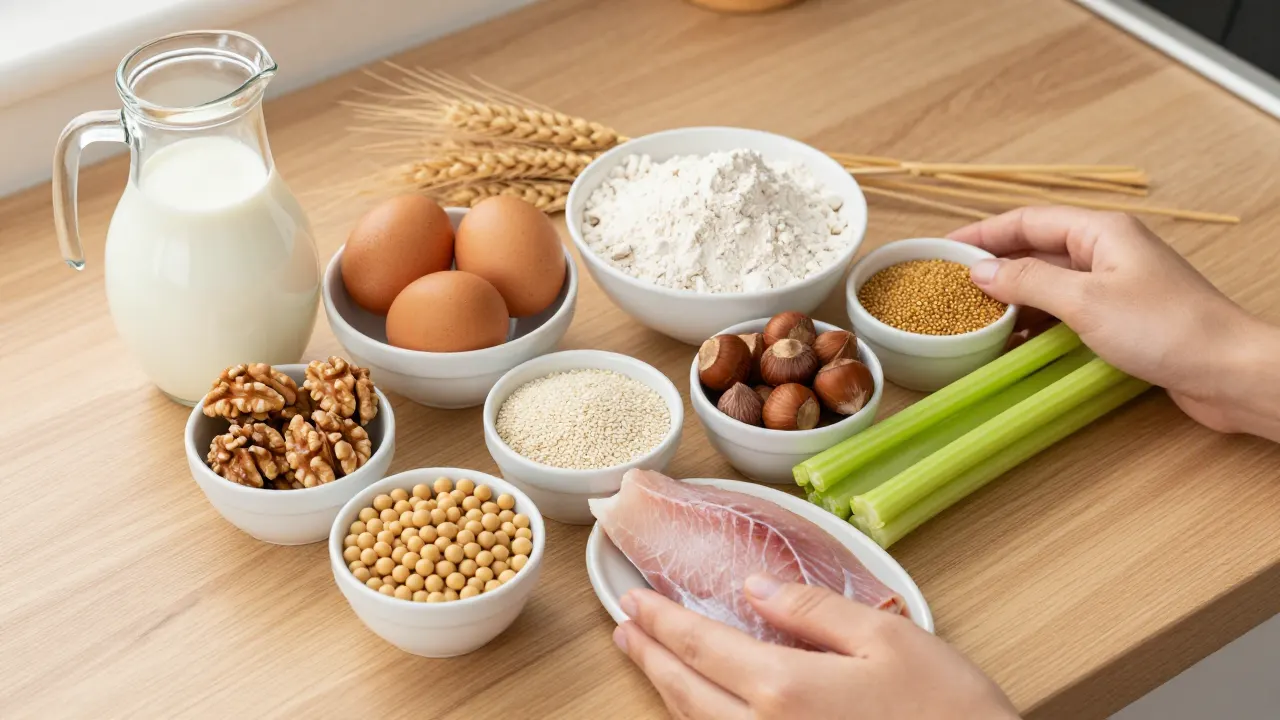
In the EU and the UK, restaurants must be able to tell guests which of 14 named allergens are in each dish, including food that is not prepacked; in the US, some states, such as Massachusetts, require an allergy notice on menus. The clearest way to meet these rules is to mark allergens on each dish and invite guests to tell staff about allergies.
A guest with a food allergy has to trust your menu with their health. The rules differ from country to country, but they all expect the same thing in the end: that a guest can find out what is in a dish before ordering it. This guide summarises the main rules and a practical way to meet them. It is not legal advice — check the current rules with your local food authority.
European Union: 14 allergens, also for unpackaged food
Regulation (EU) No 1169/2011 requires allergen information for food that is not prepacked — which includes restaurant dishes — as well as for packaged food. Each member state decides how that information must be given, so the exact form differs between countries.
The regulation lists 14 allergens: cereals containing gluten, crustaceans, eggs, fish, peanuts, soybeans, milk, nuts, celery, mustard, sesame seeds, sulphur dioxide and sulphites, lupin, and molluscs.
United Kingdom
The UK keeps the same 14 allergens. For food that is not prepacked, the Food Standards Agency allows allergen information to be given in writing or orally; if it is given orally, there must be a written notice telling guests where they can get it. Food prepacked for direct sale — sandwiches made and wrapped on site, for example — must carry a full ingredients list with allergens emphasised, a rule known as Natasha's Law.
United States
Federal allergen labelling rules apply to packaged food. There is no federal rule requiring allergen labels on restaurant menus, but some states and cities have their own. Massachusetts, for example, requires menus to carry the notice: “Before placing your order, please inform your server if a person in your party has a food allergy.” Rhode Island has a similar requirement. The US recognises nine major food allergens, sesame being the most recent addition.
How to show allergens on the menu

- Mark allergens on each dish, not only in a list at the back. A guest reads the dish they are about to order.
- Use the same words or symbols everywhere, with a key that explains them.
- Keep a written note for staff: what is in every dish, including sauces and garnishes, and which dishes share a fryer or a surface.
- Add a line inviting guests to tell staff about allergies. Where the law requires a specific notice, use its exact wording.
- Update the menu the moment a recipe or a supplier changes. A menu that lists last month's ingredients is worse than no list.
On a digital menu
A digital menu can do what paper cannot: let guests filter dishes by dietary needs such as vegetarian, vegan or gluten-free, show allergen marks in every language the menu is published in, and change the moment you publish a new recipe.
In DigitalMenuKit you mark allergens on each dish and guests see them on the menu they open from the QR code; the printed menu can carry a note asking guests to tell staff about allergies. Each of the 14 allergens EU law names has a ready-made mark: milk, wheat, egg, fish, sulphites, nuts, soy, sesame, crustaceans, peanuts, celery, mustard, lupin and molluscs. The wheat mark covers wheat only: for rye, barley or oats, name the cereal in the description, and write there anything else your local rules ask for.
Frequently asked questions
Do I have to list allergens on the menu itself?
It depends on where you are. EU and UK rules require the information to be available for non-prepacked food, and some countries or states specify how. Writing it on the menu is the clearest way to meet any of them.
Is “may contain” enough?
A general “may contain” line does not replace telling guests which allergens are in a dish. Use it only for real cross-contamination risk you cannot remove, and explain it.